

3D Printing for Medical Device Development: What It Actually Does and When to Use It
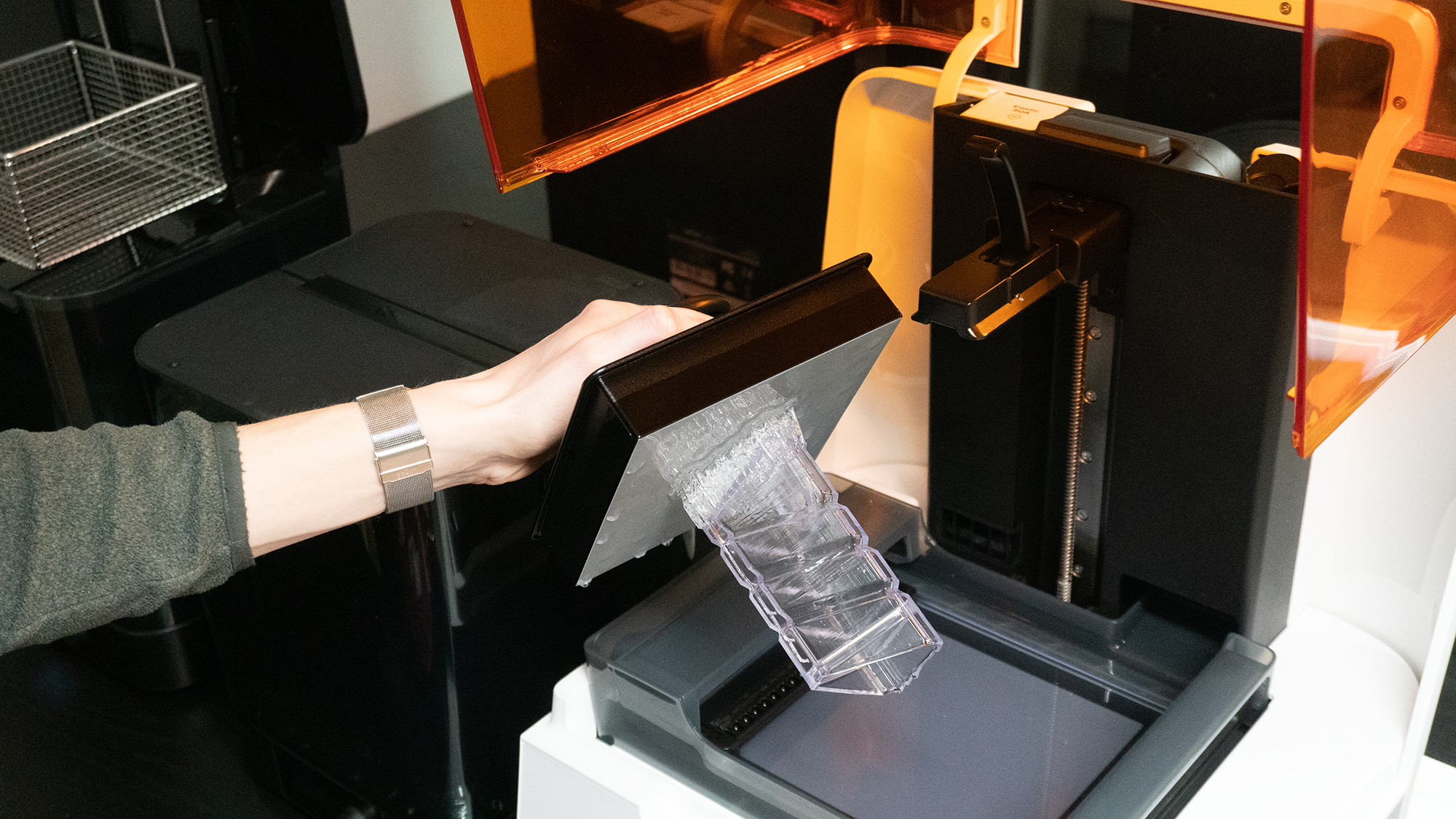
3D printing has become a standard part of the medical device development process. Not as a novelty, not as a future technology — as a practical tool that solves specific problems at specific stages of a project. It allows medical device teams to test concepts faster, validate ergonomics with physical models, produce functional prototypes in biocompatible materials, and in some cases manufacture low-volume production parts without tooling investment.
Table of Contents
At Bluefrog Design, based in Leicestershire, we use 3D printing across our medical device development projects as part of an integrated design and engineering process. This article explains where 3D printing fits in medical device development, what it can and can’t do, and how to get the most value from it.
Where 3D printing fits in the development process
3D printing is not a replacement for conventional manufacturing. It’s a tool that serves different purposes at different stages of development. Understanding where it adds value — and where it doesn’t — is essential to using it effectively.
Early-stage concept models
In the first stages of a medical device project, physical models are needed to evaluate form, proportions, and ergonomics. These don’t need to be functional — they need to be fast and accurate enough to put in someone’s hand and assess whether the design direction is right. 3D printing delivers these in hours rather than days, allowing multiple design iterations to be evaluated physically before committing to a direction.
Functional prototypes
Once the design direction is confirmed, prototyping moves to functional models that test how the device works in use. 3D printing can produce parts with mechanical properties close to production materials, allowing the design team to test mechanisms, assemblies, and user interactions with representative components. For medical devices, this stage often involves testing with clinicians or end users to validate usability before committing to detailed engineering.
Verification and validation models
For regulatory submissions, physical samples are often required to demonstrate that the device meets its design specifications. 3D printing can produce parts in certified biocompatible materials that are suitable for testing against standards such as ISO 13485. These models can also be used for design verification testing — confirming that the device performs as intended under specified conditions.
Low-volume production
For devices produced in small quantities — specialist surgical instruments, patient-specific guides, laboratory equipment — 3D printing can serve as the production process itself. Without tooling investment, parts can be produced on demand in certified materials, making it economically viable for quantities that would be prohibitively expensive using injection moulding or machining.
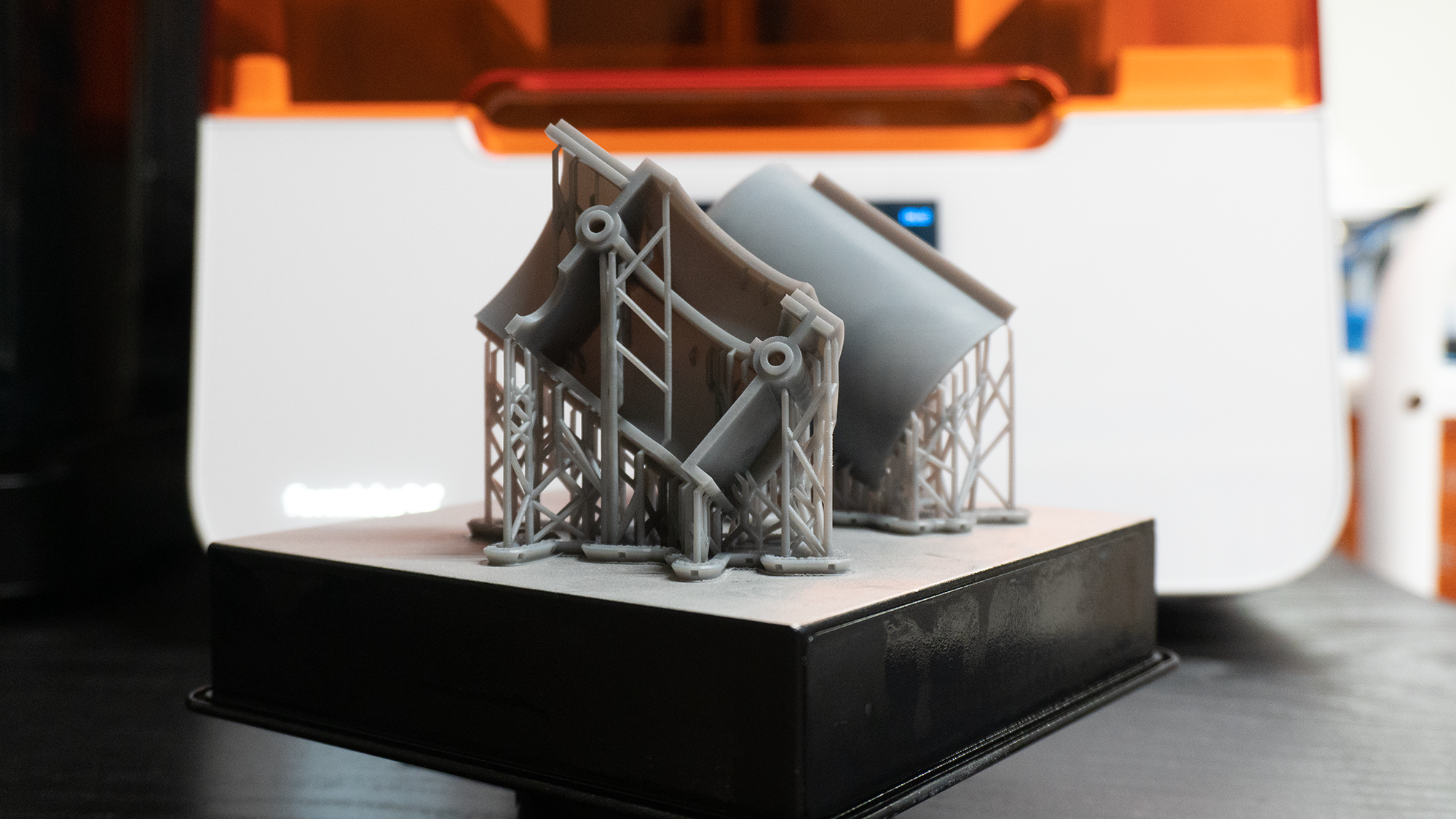
The technologies that matter for medical devices
Not all 3D printing technologies are equal for medical applications. The choice of process depends on what the part needs to do, what material it needs to be made from, and what level of accuracy and surface quality is required.
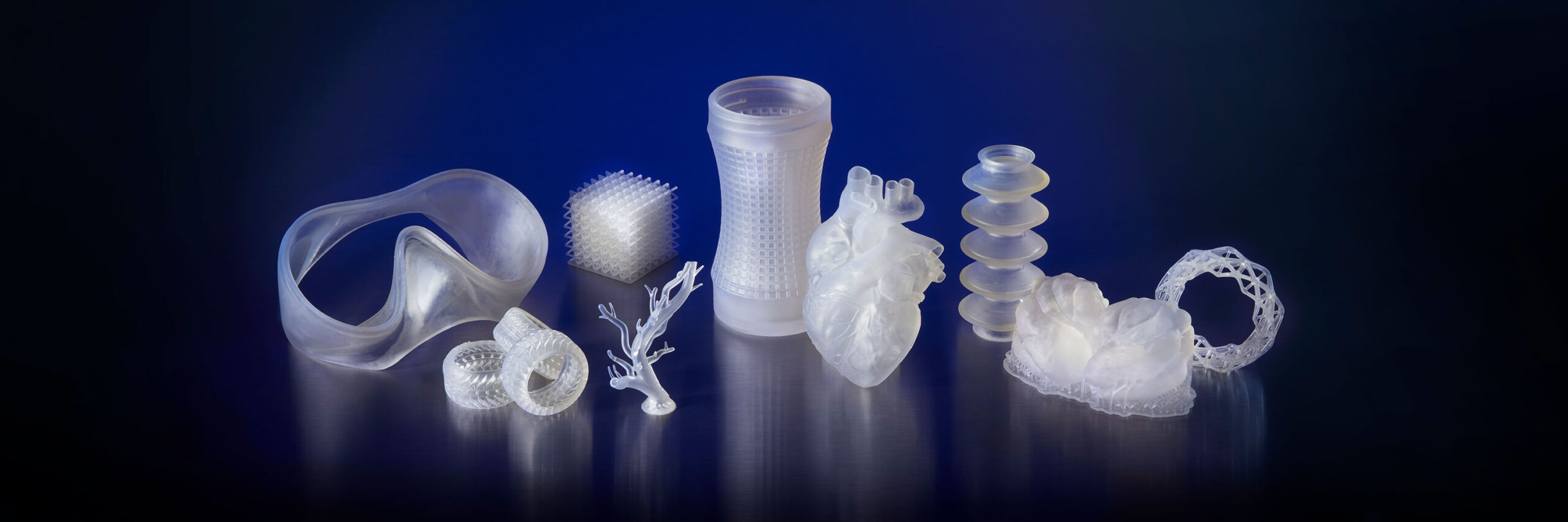
Image above courtesy of Formlabs
Stereolithography (SLA)
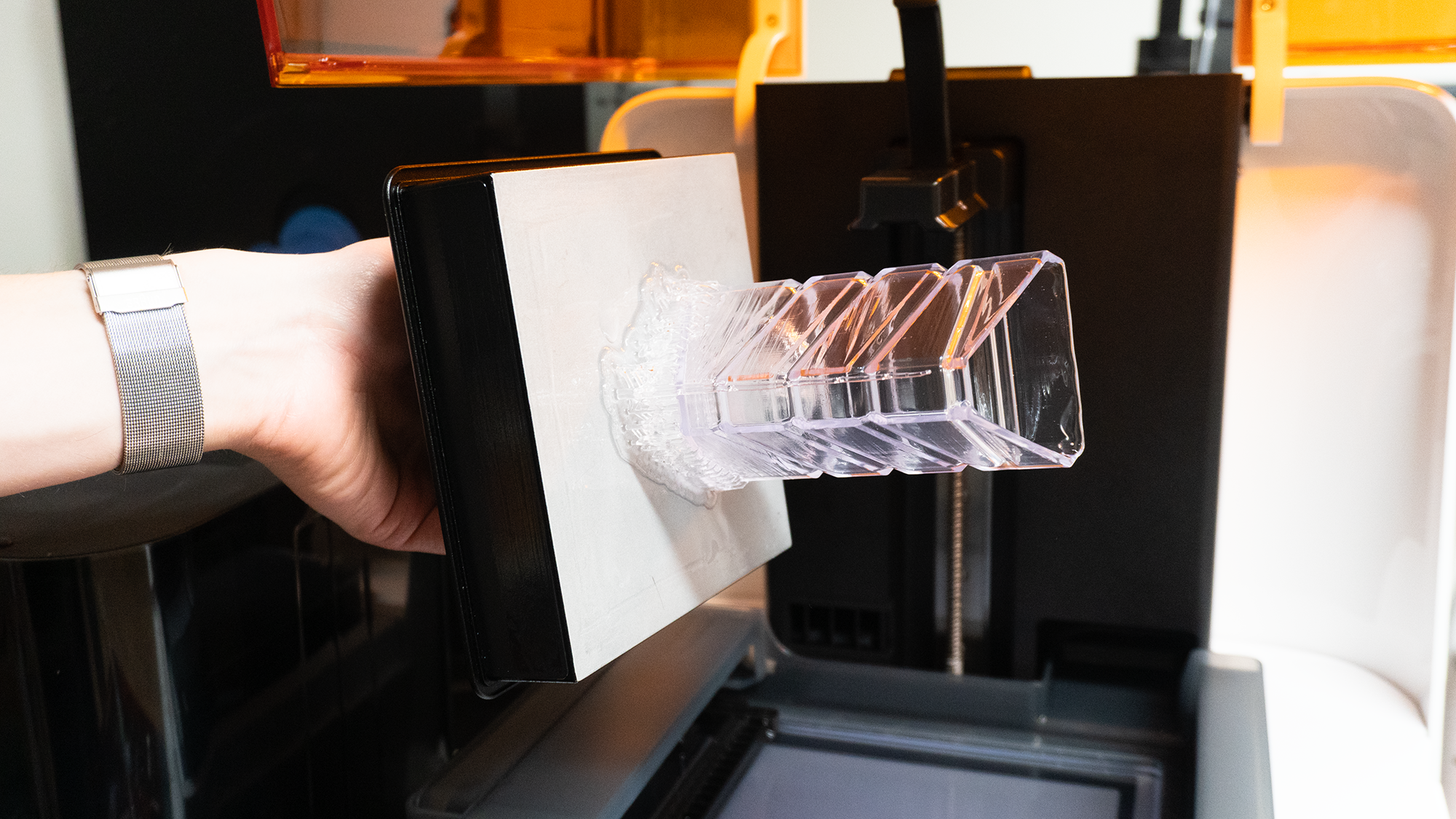
SLA remains the most widely used 3D printing technology for medical device development. It produces parts with high dimensional accuracy (tolerances below 25 microns are achievable), smooth surface finishes comparable to injection moulding, and a wide range of certified biocompatible materials. SLA parts can be sterilised using standard clinical methods, making them suitable for prototypes that need to be tested in clinical settings.
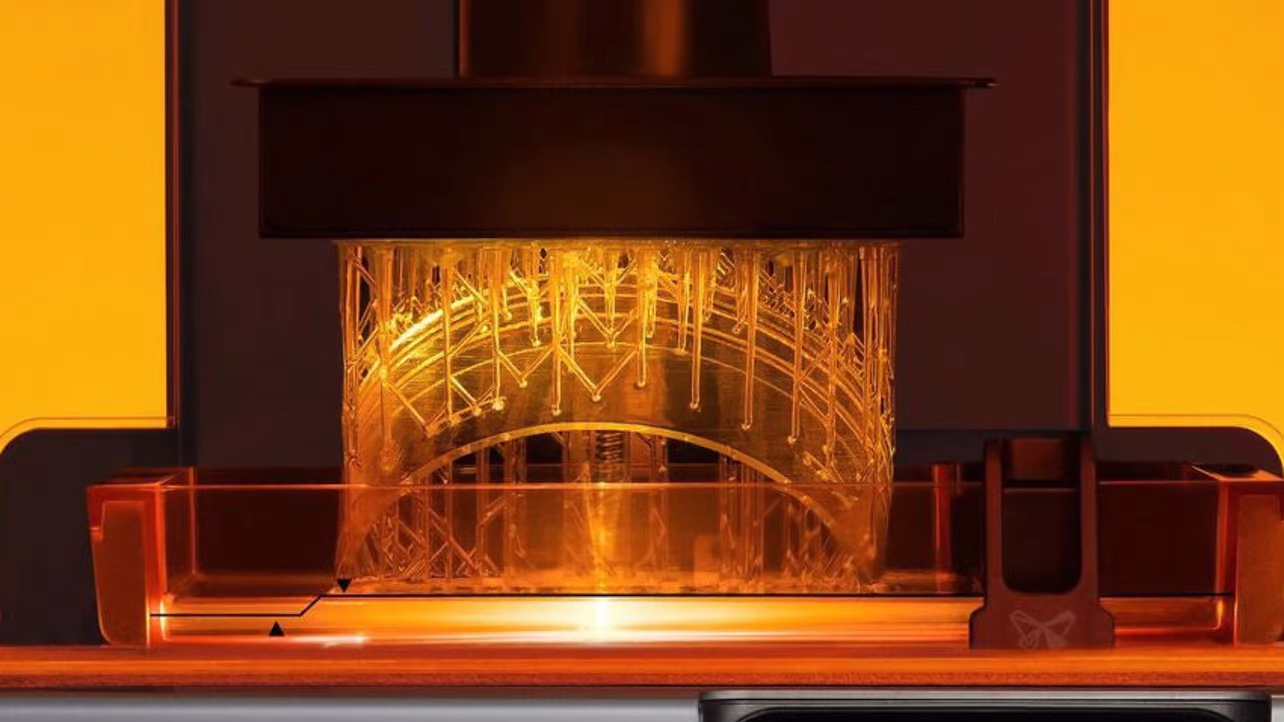
Image above courtesy of Formlabs
Selective Laser Sintering (SLS)
In the medical sector, even the slightest inaccuracies in a device can have disastrous consequences. Detailed anatomical models enhance surgical precision by providing surgeons with accurate representations of patient-specific anatomy, which is crucial for complex procedures. Patient specific surgical models, created using advanced 3D printing technology, further enhance surgical precision by allowing medical professionals to create customized models based on individual patient data.
For example, if an implant is even slightly too large or too small, it may cause serious complications for the patient. Thankfully, additive manufacturing technology has greatly improved over the years. SLA 3D Printers are now capable of building parts to a tolerance below of 25 microns (-0.025mm) which is less than the thickness of a human hair, achieving higher levels of precision and accuracy when compared to conventional manufacturing practices. One of the major benefits of printing at these levels of resolution is seen in the high-quality surface finish that can be produced, resulting in very smooth parts which require much less post-processing and are similar in standard to an injection moulded component. Additionally, preoperative planning using 3D printed anatomical models and surgical guides enhances surgical preparedness, streamlines communication among surgical teams, and ultimately leads to improved patient outcomes.
Direct Metal Laser Sintering (DMLS)
For metal components — particularly surgical instruments and implants — DMLS allows the production of complex metal parts in materials such as titanium and surgical-grade stainless steel. This is particularly relevant for patient-specific implants where conventional machining would be impractical or prohibitively expensive.
Direct Metal Laser Sintering (DMLS)
For metal components — particularly surgical instruments and implants — DMLS allows the production of complex metal parts in materials such as titanium and surgical-grade stainless steel. This is particularly relevant for patient-specific implants where conventional machining would be impractical or prohibitively expensive.
Fused Deposition Modelling (FDM)
FDM is the most accessible and cost-effective 3D printing technology. It’s useful for early-stage concept models and internal test parts where surface finish and dimensional accuracy are less critical. It is generally not suitable for parts that need biocompatibility certification or high surface quality.
Materials for medical device prototyping
The availability of certified biocompatible 3D printing materials has expanded significantly. For medical device development, material selection is not just about mechanical performance — it’s about regulatory compliance, sterilisability, and suitability for patient or clinician contact.
SLA platforms now offer materials that are ISO 10993 certified for biocompatibility, suitable for long-term skin contact, sterilisable by autoclave, ethylene oxide, or gamma irradiation, and available in formulations that simulate the mechanical properties of production materials such as polypropylene, silicone, and ABS. This means that prototypes can be produced in materials that are not only mechanically representative but also compliant for clinical testing and regulatory submission — a significant advantage over earlier generations of 3D printing materials that were limited to visual and basic functional evaluation.
What 3D printing doesn’t replace
It’s important to be clear about the limitations. 3D printing is a prototyping and low-volume production tool. For medical devices that will be manufactured in volume, conventional processes — injection moulding, CNC machining, metal fabrication — remain more appropriate for production. The mechanical properties, consistency, and cost economics of conventional manufacturing at volume are still superior to additive processes for most applications.
3D printing also doesn’t replace design for manufacture. A prototype that works well as a 3D printed part may not be suitable for injection moulding without significant design changes. Draft angles, wall thicknesses, gating, and ejection all need to be considered when the production process differs from the prototyping process. The value of 3D printing in development is in accelerating learning, not in avoiding the engineering work needed to make a product production-ready.
Regulatory considerations
Medical device development in the UK is regulated by the MHRA, with products requiring UKCA marking for the domestic market and CE marking for the EU. The regulatory pathway affects how 3D printing can be used throughout the development process.
For prototypes used in clinical evaluation or verification testing, the materials and processes must be documented and traceable. This is where using certified biocompatible materials becomes essential — not just for the physical properties, but for the regulatory documentation that demonstrates compliance with ISO 10993 (biological evaluation of medical devices) and ISO 13485 (quality management systems for medical devices).
For devices where 3D printing is the production process — patient-specific surgical guides, for example — the manufacturing process itself must be validated and controlled under the relevant quality management system. This is a higher bar than using 3D printing for prototyping, and it requires documented process controls, material traceability, and inspection protocols.
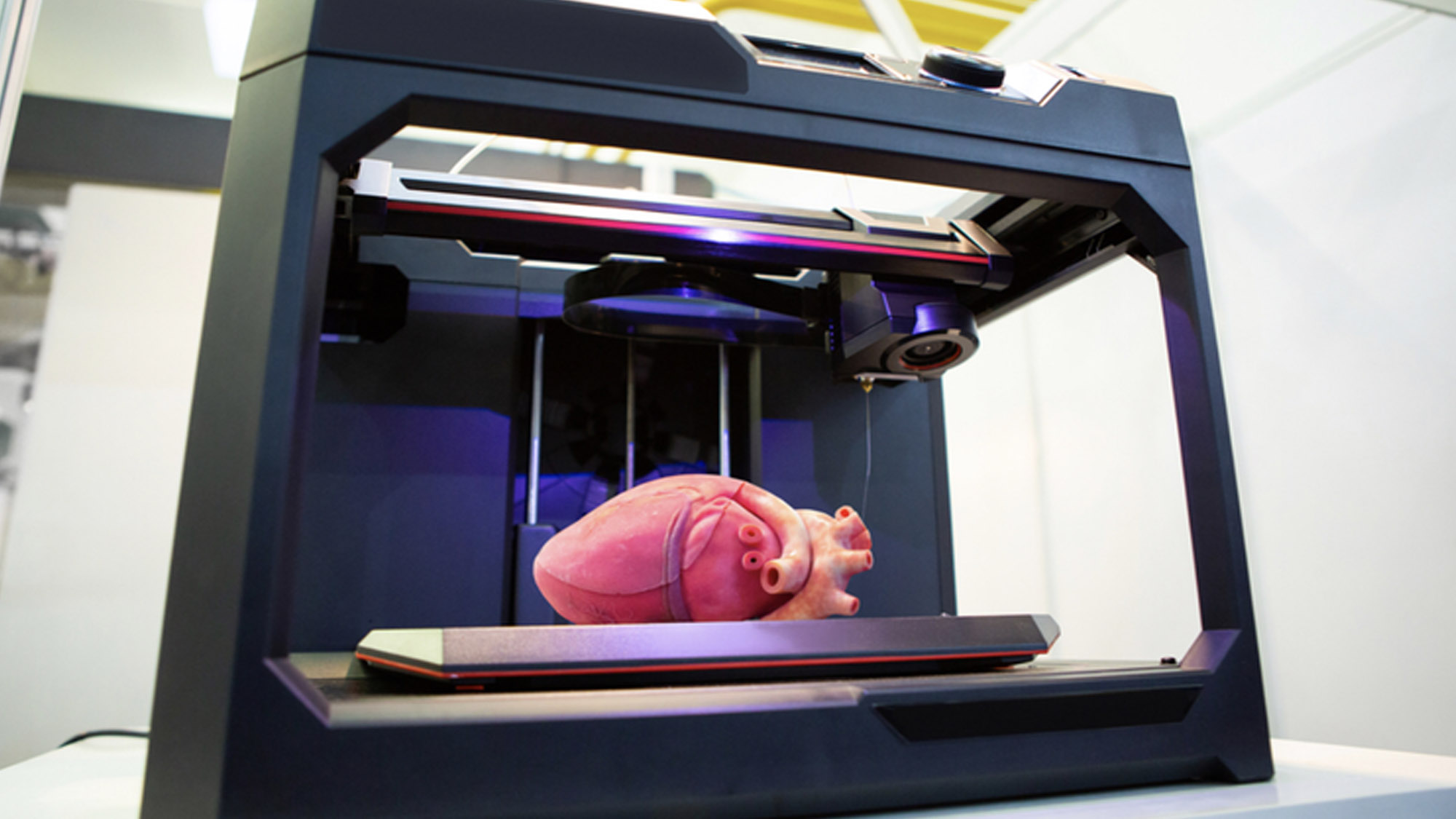
Image above courtesy of Superchar3D
How to get the most value from 3D printing in medical device development
The organisations that get the most from 3D printing are the ones that use it deliberately, at the right stages, for the right reasons. That means:
Starting with clear intent for each prototype. A concept model, a functional test piece, and a regulatory submission sample all have different requirements. The 3D printing technology, material, and finish should be chosen based on what the prototype needs to prove, not on what’s fastest or cheapest. Working with a design team that understands both 3D printing and conventional manufacturing ensures that prototypes are valuable learning tools, not just physical objects. At Bluefrog Design, our engineering team specifies the right process and material for each stage of development.
Using the prototyping phase to make decisions, not just confirm them. Every physical model is an opportunity to discover something that wasn’t visible in CAD — an ergonomic issue, a clearance problem, a mechanism that doesn’t feel right in the hand. The cost of iterating at the prototype stage is a fraction of the cost of iterating after tooling has been commissioned.
Planning the transition from 3D printing to production manufacturing early. If the production process is injection moulding, the design should be developed with injection moulding in mind from the start, using 3D printing to validate concepts and de-risk decisions along the way — not as a design methodology that gets retrofitted for production later.
At Bluefrog Design, we use 3D printing as part of an integrated medical device development process that covers industrial design, engineering, prototyping, and design for manufacture. We produce prototypes in-house using SLA, and work with specialist manufacturing partners for SLS, DMLS, and production processes. We’re based in Leicestershire and have been developing medical devices for over twenty years. If you’re developing a medical device and want to discuss how prototyping fits into your project, get in touch.
Bluefrog Design is an award-winning medical device design company with over 30 years of experience. We help brands and businesses solve problems to gain a competitive advantage in the physical world. Enabling organisations to grow and launch new products that are always Better by Design. To learn about our prototyping services please call on +44 0116 2530612 or email at mail@bluefrogdesign.co.uk.
Overcoming Challenges in 3D Printing for Healthcare
Despite the many benefits of 3D printing in healthcare, several challenges must be addressed to fully realize its potential. Ensuring the safety and efficacy of 3D-printed medical devices and equipment is paramount. Regulatory agencies such as the FDA are working to establish guidelines and standards for the use of 3D printing in healthcare, ensuring that these innovations meet rigorous safety and performance criteria. Additionally, further research is needed to understand the long-term effects of 3D-printed biomaterials and their interactions with the human body. Addressing these challenges will be crucial in advancing the adoption of 3D printing in healthcare and unlocking its full potential to improve patient care.
Regulatory Framework
The regulatory framework surrounding 3D printing in medicine is evolving to address the unique challenges and opportunities presented by this technology. The FDA plays a crucial role in ensuring the safety and efficacy of 3D-printed medical devices and has established guidelines for the design, production, and testing of these products.
However, the decentralized nature of 3D printing in medicine poses challenges for regulatory oversight. As 3D printing becomes more prevalent in point-of-care manufacturing, it is essential to develop clear guidelines and standards for the production and use of 3D-printed medical devices.
To address these challenges, regulatory agencies, medical device manufacturers, and healthcare providers must collaborate to establish a framework that balances innovation with safety and efficacy. This framework should include clear guidelines for the design, production, and testing of 3D-printed medical devices, as well as mechanisms for monitoring and addressing potential safety concerns.
What are the key advantages of 3D printing in the healthcare industry?
3D printing in the healthcare industry offers transformative advantages. It also plays a crucial role in personalised drug delivery by enabling the creation of tailored dosage forms and formulations. It facilitates personalised medicine by allowing for patient-specific implants and prosthetics, ensuring optimal fit and functionality. Various medical specialities benefit from 3D printing, as surgeons can use 3D-printed anatomical models for pre-operative planning, enhancing precision and reducing operation times. Moreover, the technology expedites the production of medical equipment, leading to cost savings and quicker patient access. It also holds the potential for bioprinting tissues and organs, which could address donor shortages in the future. Overall, 3D printing fosters innovation, customisation, and efficiency, making it a valuable tool in advancing medical science and patient care.
Can 3D printing in healthcare reduce costs while improving patient care?
3D printing in healthcare can simultaneously reduce costs and improve patient care. It plays a crucial role in medical training by creating anatomical replicas from patient imaging data, allowing surgeons to practice and refine their techniques. Personalised 3D-printed implants and prosthetics can lead to better fit and fewer surgeries, reducing overall treatment expenses. Custom anatomical models allow surgeons to plan operations and practice procedures, minimising surgical time and potential complications. Furthermore, on-demand printing of medical tools eliminates inventory costs and reduces waste. Additionally, with the ability to produce devices locally, transportation and associated costs can be lowered. By providing tailored treatments and streamlining processes, 3D printing enhances patient outcomes while presenting opportunities for cost savings in various medical applications.
If you would like to see more on our services
If you would like to hear more on how we can improve the quality of your products or help with your product development, please contact Bluefrog Design at mail@bluefrogdesign.co.uk
FAQ’s on 3D printing medical devices
How is 3D printing revolutionising the production of medical devices?
3D printing is revolutionising medical device production by enabling rapid prototyping, reducing lead times, and allowing for bespoke, patient-specific devices. This technology facilitates the creation of intricate structures previously unattainable with traditional manufacturing methods. Customised implants, prosthetics, and anatomical models can be produced on-demand, resulting in better patient outcomes. Additionally, decentralised production can lower costs and increase accessibility, especially in remote locations.
What types of medical applications benefit from 3D printing technology?
3D printing technology benefits various medical applications, including the creation of patient-specific implants and prosthetics, ensuring optimal fit and function. It’s pivotal in producing anatomical models for surgical planning, leading to precise procedures. Dental industries utilise it for crowns and orthodontic devices. Furthermore, it aids in producing tailored hearing aids and bioprinting tissues for regenerative medicine. Additionally, it streamlines the production of medical tools and aids in drug delivery research.
Are there any regulatory considerations for 3D-printed medical devices in healthcare?
3D-printed medical devices face regulatory considerations to ensure patient safety and device efficacy. Regulatory agencies, like the FDA, evaluate these devices based on material biocompatibility, mechanical strength, sterility, and other factors. As 3D printing allows customization, standards must accommodate variability while ensuring performance. Device classification, from temporary dental applications to permanent implants, influences regulatory scrutiny. Proper validation, testing, and quality control are essential for approval.
What are the advantages of 3D printing in surgery?
3D printing in surgery offers numerous advantages: personalised anatomical models aid pre-surgical planning, leading to precise, shorter procedures with fewer complications. Custom implants ensure better fit and integration, enhancing patient outcomes. Bioprinted tissues can potentially replace damaged organs. On-demand tool production reduces inventory costs, and the ability to replicate complex anatomical structures aids surgical training, providing hands-on practice without patient risk.
How might 3D printing affect clinical practice?
3D printing can transform clinical practice by enabling personalised patient care through custom implants and prosthetics. Anatomical models aid in precise surgical planning, reducing procedural times and complications. On-the-spot production of medical tools can enhance clinical responsiveness. Bioprinting offers potential solutions for tissue and organ shortages. Overall, 3D printing promotes increased accuracy, efficiency, and innovation, reshaping treatment approaches and patient experiences.
Ready to get started on a project?

Socials


